

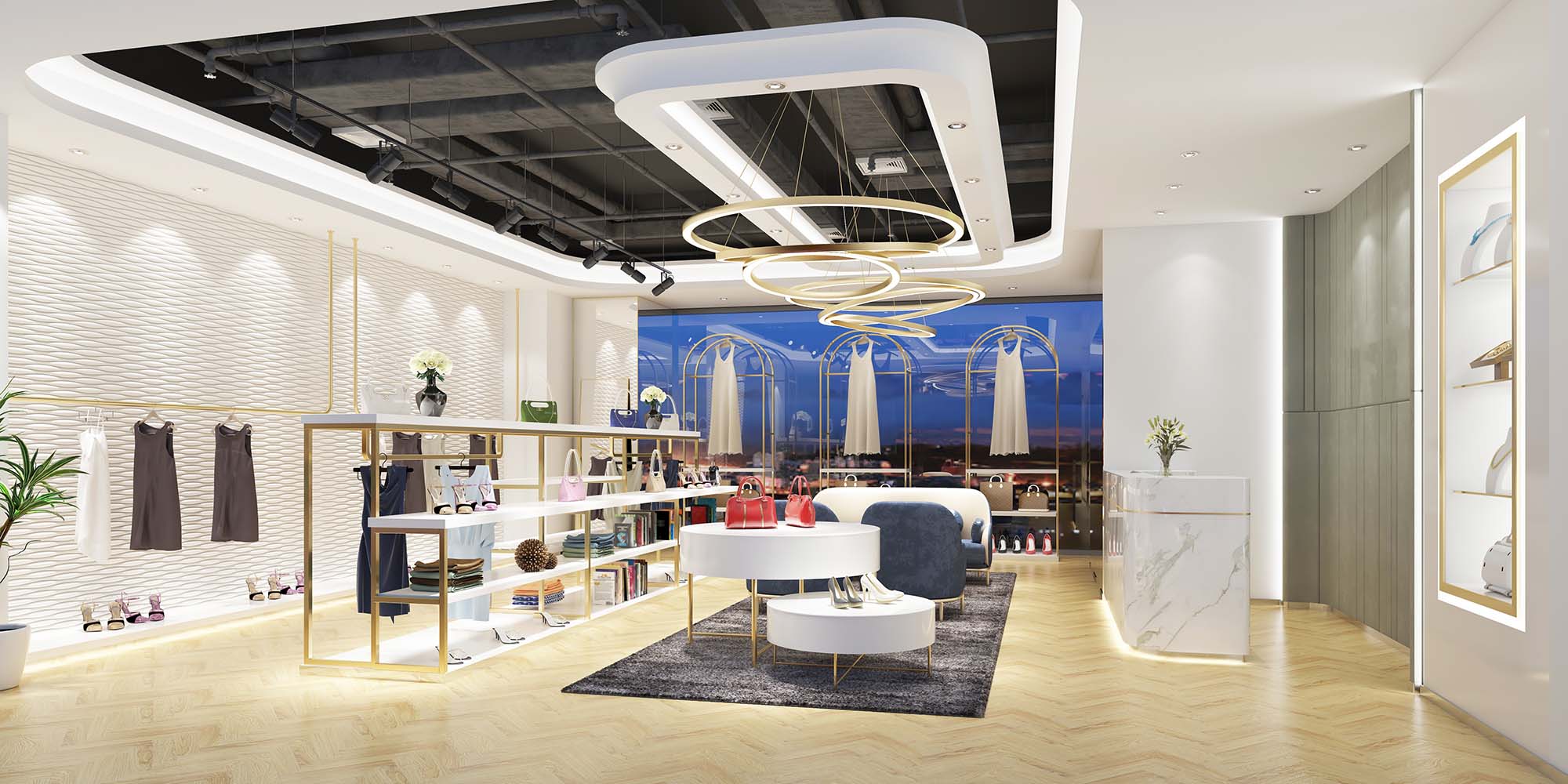
Choosing flooring for a restaurant or retail space is a different exercise than choosing it for a home. A residential floor deals with a handful of people a day. A commercial floor deals with hundreds, plus rolling carts, spilled drinks, and constant cleaning, so the material has to be chosen around how the space actually gets used.
What Commercial Flooring Actually Needs To Handle
Foot traffic volume is only part of the equation. Restaurants deal with grease, moisture, and frequent deep cleaning, while retail stores deal with rolling racks, dropped merchandise, and long hours of continuous use without much downtime for maintenance.
Slip resistance matters more in a commercial setting than a residential one, since a wet entryway or a spilled drink near a dining table carries real liability. Wear resistance matters too, since a floor that shows scuffs and dullness within a year creates an ongoing maintenance cost that eats into the appeal of choosing a cheaper material upfront.
Where Porcelain Tile Performs Best In Hospitality And Retail
Porcelain tile handles moisture, heavy cleaning, and constant foot traffic about as well as any flooring material available, which is why it shows up so often in restaurant kitchens, entryways, and bathrooms. It resists staining from spills, holds up to commercial grade cleaning chemicals, and keeps its finish over years of use without the surface wearing thin.
Large format tile in particular gives retail spaces a clean, modern look with fewer grout lines to maintain, which matters in a space that gets professionally cleaned on a tight schedule. The tradeoff is that tile is a harder surface underfoot, which some businesses offset with area rugs or mats in spots where staff stand for long shifts.
Where Engineered Hardwood Performs Best In Retail And Dining
Engineered hardwood brings a warmth that tile cannot fully replicate, and it shows up frequently in boutique retail, dining rooms, and hotel lobbies where the goal is an upscale, inviting feel. A quality engineered product with a durable finish handles moderate commercial traffic well, particularly in areas that see foot traffic but not constant moisture exposure.
The finish coat does most of the work protecting engineered hardwood in a commercial setting, so choosing a product with a commercial grade wear layer matters more than the species of wood itself. Dining rooms with tables and chairs benefit from felt protectors and regular finish maintenance to keep the floor looking sharp under daily use.
Balancing Durability Look And Maintenance For Your Business
Many businesses end up using both materials strategically rather than picking one for the whole space. Tile in kitchens, bathrooms, and high spill areas paired with hardwood in dining rooms or retail floor space is a common combination that lets each material do what it does best.
The right choice ultimately comes down to how your specific space gets used day to day. A coffee shop with a steady stream of foot traffic and frequent spills has different needs than a boutique with a slower, more curated customer flow, and the flooring decision should follow the way the business actually operates rather than a one size fits all recommendation.
Whether your Arlington business needs the durability of tile flooring for a high traffic kitchen or the warmth of engineered hardwood for a dining room or retail floor, Perennial Studios can help you match the material to how your space actually operates. We work with business owners across
Arlington, TX, Mansfield, TX, Burleson, TX, Kennedale, TX, or Midlothian, TX
on commercial flooring projects sized for real world use, not just showroom appeal.Stop by Arlington, TX to see commercial grade tile and hardwood samples in person, or contact us to schedule a consultation for your restaurant or retail space


