

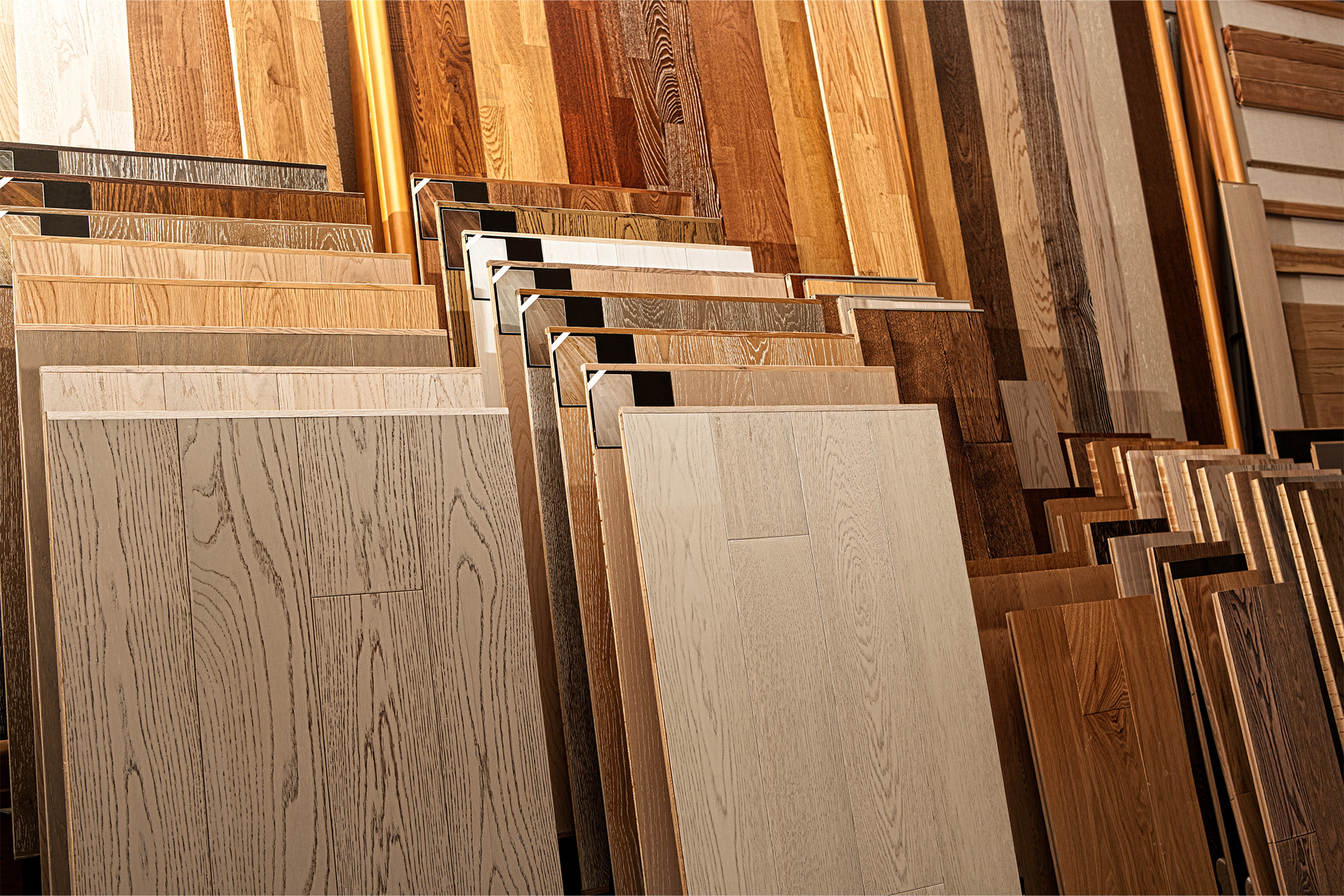
Brown hardwood is back, but not the heavy, orange, glossy brown many homeowners remember from older remodels. The current version is warmer, flatter, softer, and more natural. It works because it feels grounded without making the room look dark or formal.
For Arlington homeowners, this matters because many homes already have warm brick, beige walls, stained cabinets, cream counters, or tan stone fireplaces. The wrong brown floor can make those finishes feel heavier. The right brown floor can pull everything together.
Why older brown floors often feel dated
Many dated brown floors have strong red, orange, or amber undertones. When paired with cream walls, honey cabinets, or yellow lighting, those tones can make the entire house feel overly warm. Add a shiny finish, and the floor starts to look more like a time stamp than a design choice.
Modern brown hardwood is different. It usually has a more muted undertone, a lower sheen, and a more natural grain. Instead of looking lacquered and formal, it feels relaxed, architectural, and easier to live with. The goal is warmth without visual weight.
The undertone matters more than the word brown
Not every brown floor behaves the same in a room. A walnut brown may feel elegant and deep. A mushroom brown may feel soft and neutral. A golden brown may feel casual and traditional. A red-brown may look rich in the showroom but become too strong once installed across a whole house.
This is why Perennial Studios recommends looking at hardwood samples next to cabinets, wall paint, trim, countertops, and furniture. A floor sample viewed by itself can be misleading. The real test is how it reacts with the materials already inside the home.
Finish and plank style change everything
A satin or matte finish usually makes brown hardwood feel more current. High-gloss floors reflect light strongly, which can show scratches, dust, footprints, and surface imperfections faster. Lower-sheen finishes are more forgiving in busy homes and often look more natural.
Plank width also matters. Wider planks can make a brown floor feel more modern, especially when the grain is balanced and not overly busy. Narrow strips can still work in certain homes, but they may lean more traditional. The goal is not to chase a trend, but to match the scale and age of the home.
How to avoid the heavy Tuscan effect
The 2000s Tuscan look often came from stacking too many warm finishes together. Dark brown floors, yellow beige walls, ornate cabinets, oil-rubbed bronze fixtures, and heavy stone can make a space feel closed in. A warmer floor can still work, but it needs breathing room.
That may mean pairing brown hardwood with cleaner wall colors, simpler rugs, lighter upholstery, softer lighting, or less contrast in trim. Flooring does not have to do all the work. It should anchor the room while allowing the rest of the design to feel fresh.
Brown hardwood is a smart choice when it is chosen with undertone, sheen, plank width, and existing finishes in mind. The best version feels warm, durable, and quietly elevated. The wrong version can make even a renovated room feel older than it is.
For hardwood flooring guidance in Arlington, TX, visit Perennial Studios at Arlington, TX. We proudly serve
Arlington, TX, Mansfield, TX, Burleson, TX, Kennedale, TX, or Midlothian, TX
with flooring sales, design consultation, and professional installation. If you are ready to compare hardwood colors that work with your actual home, contact us today.


