

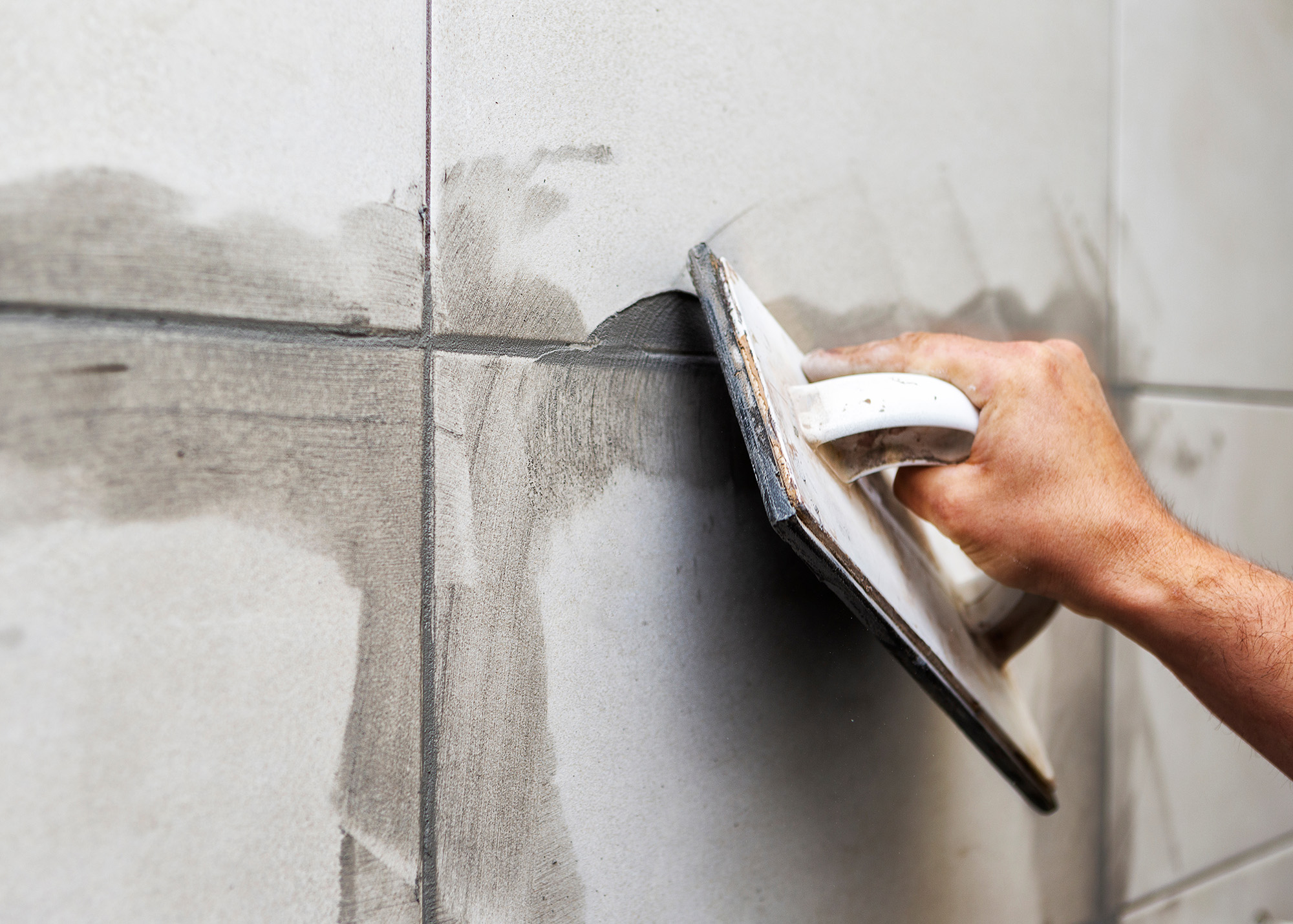
Homeowners often assume grout problems mean poor installation. In many cases the real cause is simply exposure. North Texas gets an enormous amount of direct, high intensity sunlight, and certain rooms take the brunt of it every single afternoon.
Why UV Exposure Changes Grout Color Over Time
Cementitious grout contains pigments that sit near the surface of a porous material. Ultraviolet light breaks down those pigments through a process called photodegradation, which is the same mechanism that fades outdoor furniture cushions and car dashboards. Darker grout colors show this fastest because they rely on stronger pigment concentration, and that pigment has more to lose.
Heat compounds the problem. South and west facing rooms in Arlington regularly see surface temperatures well above the surrounding air temperature once direct sun hits tile for several hours. That heat accelerates the chemical breakdown of pigment and can also dry out unsealed grout faster than shaded areas of the same floor, which is why fading often looks patchy instead of uniform.
Which Rooms And Window Orientations Fade Fastest
Sunrooms, entryways with glass doors, and kitchens with large west facing windows are the most common trouble spots we see in Arlington homes. Any room where direct sun tracks across the floor for four or more hours a day is a candidate for visible fading within two to three years, especially with darker grout shades like charcoal or espresso.
North facing rooms and interior hallways rarely show this issue at all, since they receive indirect light. If you are renovating a room with big south or west facing glass, that single detail should influence both your grout color and your finish choice before installation even starts.
Sealed Grout Versus Unsealed Grout Performance
Sealing grout does not just block stains, it also slows moisture loss and adds a layer of UV resistance depending on the sealer type used. A penetrating sealer applied correctly can meaningfully extend the time before fading becomes noticeable, particularly on cementitious grout in high sun rooms.
Unsealed grout in direct sun is the fastest path to the blotchy, washed out look homeowners complain about. If your existing floor was never sealed, or if it has been several years since the last application, that is often the single most cost effective fix before assuming the floor needs full regrouting.
Color And Material Choices That Resist Fading
Epoxy and urethane grouts hold color more consistently than standard cementitious grout because their pigments are bound differently and they resist moisture loss almost entirely. They cost more upfront, but in a high sun room that cost often pays for itself by avoiding a regrout project a few years later.
Lighter and mid tone grout colors also simply show less visible change than dark colors, even without upgrading grout type. If you love a dramatic dark grout look, pairing it with a UV stable formulation and a quality sealer in bright rooms is the way to get that look without the two year fade.
If your Arlington home has a sun drenched room with grout that already looks tired, or you are planning new tile flooring and want to get the color and sealing right from day one, Perennial Studios can walk you through the options in person. Our team has handled this exact issue across countless homes in
Arlington, TX, Mansfield, TX, Burleson, TX, Kennedale, TX, or Midlothian, TX
, and we know which products actually hold up in a Texas sun room versus which ones only look good in a showroom.Stop by Arlington, TX to see samples under real lighting, or contact us to schedule a free in-home consultation. We will help you pick a tile and grout combination built for the light your room actually gets.


